Stories from Abu Dhabi
Long-form writing from across the emirate — desert expeditions, mosque visits, island escapes and the practicalities of travel in the UAE.
More stories

Abu Dhabi in winter: what to expect from November to March

Abu Dhabi layover guide: how to use 4, 8, or 24 hours in the city

Best time to visit Abu Dhabi: honest month-by-month guide

How many days do you need in Abu Dhabi?

Is Abu Dhabi worth visiting? An honest verdict

Abu Dhabi new openings 2026: what's actually open and worth visiting

Best photography spots in Abu Dhabi: where to go and when

Travelling to Abu Dhabi during Ramadan: practical tips and what to expect

Sustainable travel in Abu Dhabi: what's real, what's greenwashing
Top-rated tours & activities
Hand-picked tours and activities from GetYourGuide and Viator. Book through these links and we earn a small commission at no extra cost to you.


Good to know about the Abu Dhabi travel blog
Abu Dhabi has a travel writing problem: most of what’s published about it is either promotional — glossy hotel reviews, superlative-heavy destination pieces — or dismissively compared to Dubai. Neither approach is particularly useful if you’re trying to understand what the emirate is actually like to travel in.
This blog aims at something more honest and specific: what it feels like to walk the Al Ain Oasis at 7am before the heat builds; the particular disorientation of standing in a falaj-irrigated date palm grove that has been continuously farmed for thousands of years while a Formula 1 circuit sits two hours to the north; the way the Louvre Abu Dhabi’s permanent collection genuinely earns the name — not through borrowed Parisian prestige but through a curatorial argument about human culture that is coherent and moving. Stories here cover the practical and the experiential. What the Liwa dunes look like from a hot-air balloon at the moment the sun crests the Empty Quarter horizon.
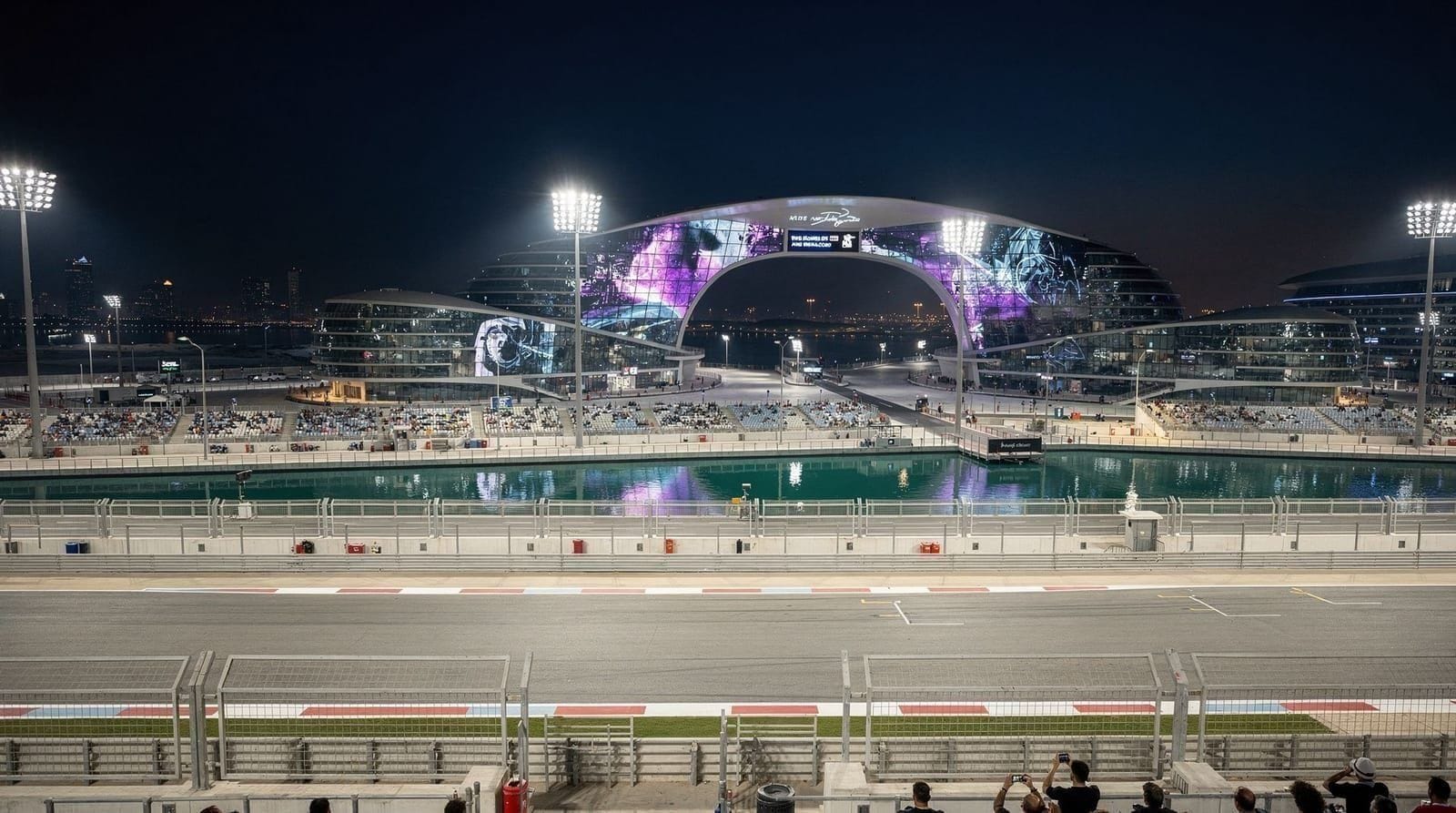
What a dhow cruise on the Corniche reveals about Abu Dhabi’s relationship with its maritime history. How the Abu Dhabi Grand Prix transforms Yas Island into a temporary city of its own. What Ramadan travel actually involves — the closed restaurant signs in the daytime, the extraordinary Iftar spreads in hotel restaurants at sunset, the late-night energy in traditional neighbourhoods that disappears in other months. There are also articles that push back against received wisdom. Abu Dhabi does not need to be "justified" against Dubai — they are different cities serving different purposes, and the question of which is better is as useful as asking whether Florence or Venice is better.
The emirate’s scale — its deep desert, its UNESCO-listed oasis city, its wildlife island, its genuine world-class museum — means that visitors who limit themselves to a Yas Island day trip are seeing a very small corner of something much larger. Seasonal and event-specific pieces cover the F1 Grand Prix (logistics, atmosphere, how to see it without the full race ticket commitment), the Ramadan calendar and what opens and closes, and the summer question — whether Abu Dhabi in July and August is viable, which it is, for visitors who accept that outdoor time is limited to early morning and evening.
Frequently asked questions about the Abu Dhabi travel blog
Is Abu Dhabi worth visiting if I’ve already been to Dubai?
Yes — they are genuinely different. Dubai is commercial and performance-forward; Abu Dhabi is the political and cultural capital, slower-paced, and home to experiences Dubai doesn’t have: Sheikh Zayed Grand Mosque, the Louvre Abu Dhabi, Al Ain’s UNESCO oasis, and the Empty Quarter desert. Many visitors who go expecting Dubai-but-smaller come away preferring Abu Dhabi for its relative calm and depth.
What is the Abu Dhabi Grand Prix experience actually like?
The race weekend (late November) transforms Yas Island completely. Concerts run nightly alongside the racing, the marina fills with superyachts, and restaurants and hotels charge peak-of-year prices. The atmosphere is festive and international. Grandstand tickets start around AED 600; a full weekend with hospitality can reach AED 10,000+. The race itself is at sunset — the circuit transitions from daylight to floodlit during the closing laps, which is visually spectacular.
What is it actually like to visit during Ramadan?
Ramadan is experientially interesting but logistically demanding. Most restaurants close between approximately sunrise and Iftar (sunset), though hotel restaurants maintain service in screened areas. Alcohol service is restricted in many venues. The positive side: hotel Iftar buffets are elaborate and sociable, traditional markets are lively after dark, and the emirate feels more culturally itself than at any other time of year. Avoid eating or drinking in public during daylight hours out of respect.
Can you visit Abu Dhabi in summer?
Technically yes, practically with caveats. June through August temperatures regularly reach 42-45°C, with high humidity in coastal areas in August. Theme parks, malls, the Louvre, and indoor attractions are fully operational and often uncrowded. Outdoor activities like desert safaris and the Grand Mosque courtyard are best done early morning or avoided entirely. Hotel rates drop significantly — a 5-star property in July can cost 40-50% less than in January.